Window Replacement Cost in Texas (2026): City Pricing, Permits, and Heat
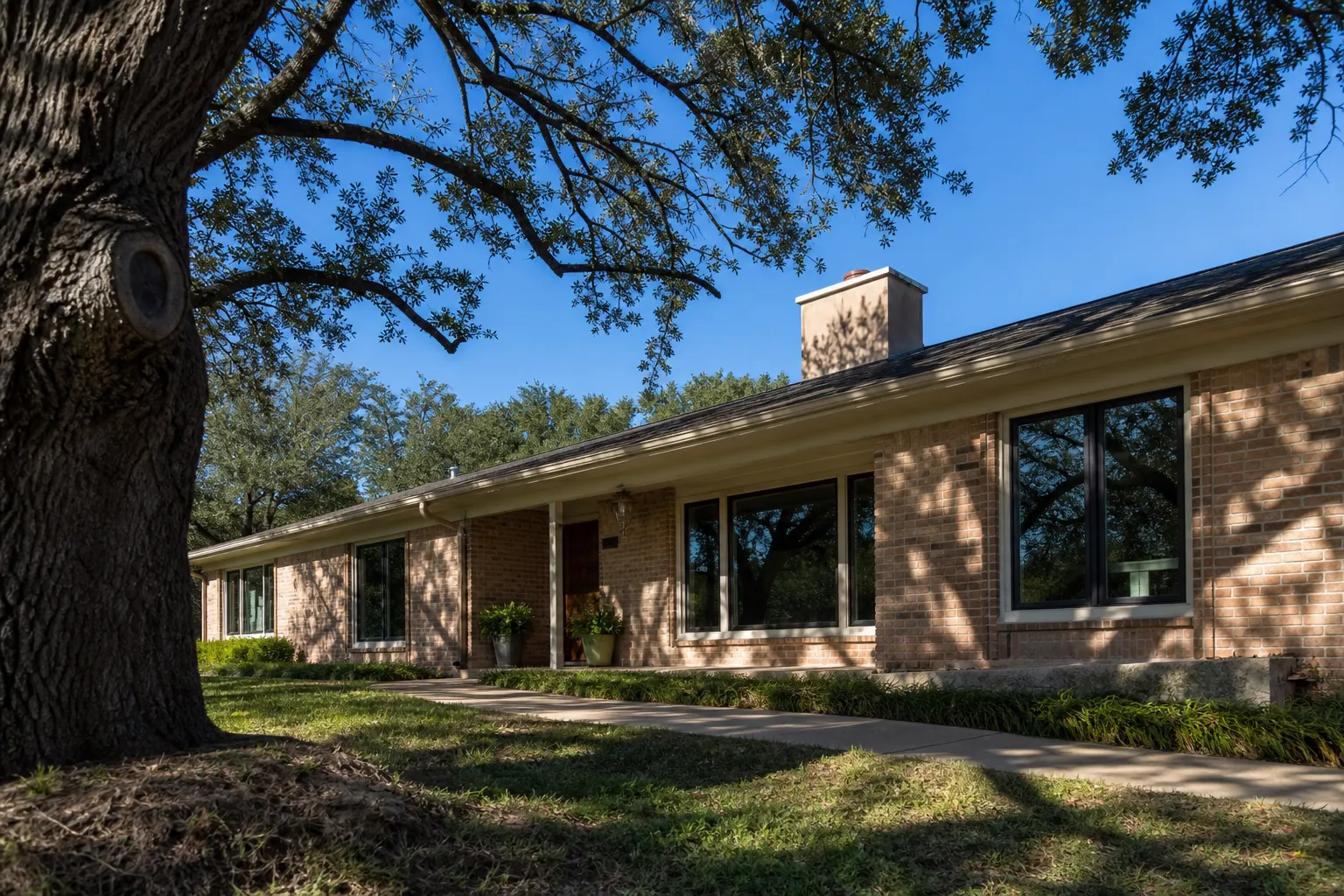
Window replacement in Texas costs $400 to $1,100 per window installed in 2026, with most homeowners paying around $650–$700 for a mid-grade vinyl double-hung. That’s roughly 5–10% below the national average, thanks to lower labor rates and a deep bench of competing installers in the major metros. A typical 10-window project in Texas lands between $4,000 and $10,500.
But Texas isn’t a discount market across the board. Two things push costs up in specific situations: solar-control glass, which is genuinely worth paying for in this climate, and hurricane-zone requirements along the Gulf Coast, where windborne-debris rules apply just as they do in Florida.
Cost by Texas metro
Labor and permit costs vary meaningfully between metros. These ranges reflect a mid-grade vinyl double-hung, installed as an insert:
| Metro | Installed cost per window | Notes |
|---|---|---|
| San Antonio | $400 – $1,000 | Most competitive major-metro pricing in the state |
| El Paso | $380 – $950 | Lower labor; fewer premium-brand dealers |
| Houston | $420 – $1,050 | Coastal-adjacent; wind-zone rules near the coast |
| Dallas–Fort Worth | $430 – $1,100 | High demand; hail-driven replacement market |
| Austin | $470 – $1,200 | Highest labor rates in Texas; busy permit office |
| Corpus Christi / coastal bend | $550 – $1,400 | Windborne-debris zone; impact-rated or shuttered openings |
Rural areas often price 10–15% below the nearest metro on labor, but travel charges can eat the difference if you’re far from an installer’s base.
Permits: it depends on your city
Texas has no statewide residential permit requirement for window replacement — this is decided city by city, and the pattern is fairly consistent:
- Like-for-like insert replacements (same size opening, no structural change) are exempt or lightly regulated in many jurisdictions.
- Full-frame replacements, opening changes, or egress modifications require a permit almost everywhere.
- Typical permit costs run $50 – $250 where required. Dallas, Austin, and San Antonio all have online residential permit portals; a legitimate contractor handles filing as part of the job.
One Texas-specific note: the state does not license general contractors or window installers at the state level (electricians, plumbers, and HVAC techs are licensed; carpenters and window crews are not). That makes vetting more important here than in license-heavy states — our contractor vetting guide covers what to check instead, starting with liability insurance and lien history.
The glass spec that matters in Texas: SHGC
In most of the country, U-factor (insulation against heat loss) is the headline number. In Texas, Solar Heat Gain Coefficient (SHGC) — how much of the sun’s heat passes through the glass — matters more for at least eight months of the year.
ENERGY STAR’s current (version 7.0) criteria for Texas climate zones:
| Zone | Covers | Max U-factor | Max SHGC |
|---|---|---|---|
| South-Central | DFW, Austin, most of Central/North TX | 0.28 | 0.23 |
| Southern | Houston, San Antonio, South TX, Gulf Coast | 0.32 | 0.23 |
The practical takeaway: insist on a low-SHGC low-E coating (0.25 or below) on every west- and south-facing window. The upgrade typically costs $75–$150 per window and directly reduces summer cooling load — this is the one glass upgrade with a defensible payback in Texas. Triple-pane, by contrast, is optimized for heating climates and rarely justifies its cost here; our energy-efficient windows guide runs the payback math, including the 2026 status of the federal tax credit (short version: it expired).
Hail: the other Texas window story
DFW sits in the most hail-active corridor in the country, and North Texas insurers process enormous volumes of window and roof claims after spring storms. Two implications:
- If hail broke your windows, that’s an insurance claim, subject to your wind/hail deductible — which on many Texas policies is now 1–2% of dwelling coverage, not a flat $1,000. On a $400,000 dwelling policy, a 1% deductible means the first $4,000 is yours. A few broken panes may fall entirely under the deductible; document them anyway if a roof claim is also in play, since the claims often travel together (see our guide to hail damage insurance claims).
- Storm-chasing sales crews follow hail. Door-knockers offering “free window and roof inspections” days after a storm are the highest-pressure segment of the industry. Get independent quotes before signing anything, and never sign an assignment-of-benefits style agreement at the door.
Coastal Texas: windborne-debris rules
Homes in designated catastrophe zones along the Gulf — roughly the 14 coastal counties plus parts of Harris County — fall under Texas Department of Insurance windstorm rules. To keep windstorm insurance eligibility through TWIA (the state’s insurer of last resort), replacement windows must either be impact-rated or protected by approved shutters, and the installation needs a WPI-8 certificate of compliance. Impact-rated windows run $900 – $1,800 installed — comparable to Florida pricing, which we cover in depth in our Florida window cost guide.
Sample Texas project budgets
| Project | Realistic 2026 budget |
|---|---|
| 8 vinyl inserts, San Antonio ranch | $3,500 – $6,000 |
| 12 vinyl low-SHGC inserts, DFW two-story | $6,000 – $10,000 |
| 12 fiberglass full-frame, Austin | $10,500 – $16,500 |
| 10 impact-rated windows, Corpus Christi | $9,000 – $18,000 |
FAQs
Do I need a permit to replace windows in Texas? For same-size insert replacements, many Texas cities don’t require one; for full-frame work or any change to the opening, most do. Permit fees run $50–$250. Call your city’s building department or check its online portal — and be wary of any contractor who suggests skipping a required permit.
Are window installers licensed in Texas? No state license exists for window installers or general contractors. Verify liability insurance (ask for the certificate directly from the insurer), check references, and confirm the company has a physical Texas address and history.
Is low-E glass worth it in Texas? Yes — it’s the single most cost-effective glass upgrade in a cooling-dominated climate. Target SHGC of 0.25 or lower. Skip triple-pane unless you’re addressing noise.
What’s the cheapest big city in Texas for window replacement? San Antonio and El Paso consistently quote lowest; Austin runs highest, typically 10–15% above San Antonio for identical work.
Will new windows lower my electric bill? Replacing single-pane or failed aluminum windows with low-E double-pane units in a Texas climate typically saves $150–$400 a year for a whole house, depending on size and rates. Replacing functional double-pane windows saves far less — do it for comfort, condensation, or operation, not payback.