Walk-In Shower Cost in 2026: Tub-to-Shower Conversions and Custom Builds
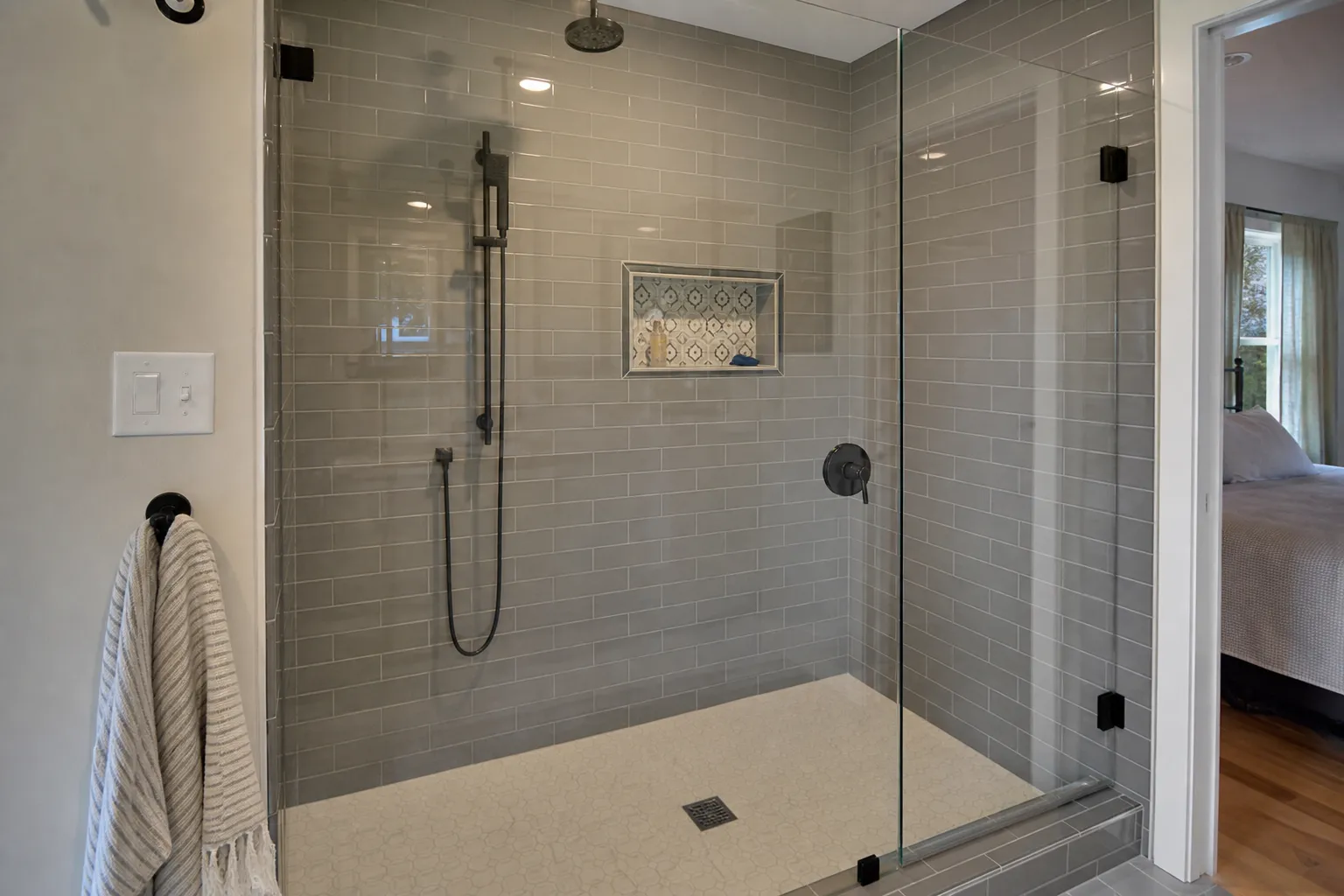
A walk-in shower costs anywhere from $3,500 for a prefab acrylic unit to $25,000+ for a custom tiled, curbless build in 2026. The most common version of this project — converting an existing tub to a walk-in shower — averages about $9,500 nationally, with a realistic range of $4,500 to $20,000 depending on materials and how much plumbing moves.
That’s a wide range for one project name, so the useful question isn’t “what does a walk-in shower cost” but “which of the three builds am I buying?”
The three ways to build a walk-in shower
1. Prefab acrylic or fiberglass kit — $3,500 to $8,000 installed. A manufactured pan and wall surround set into the existing footprint. Fastest (1–3 days), most waterproof-by-default, and cheapest. The trade-off is aesthetics — visible seams, limited sizes — and acrylic walls can feel less substantial. This is what most “one-day bath” franchises install, though their pricing often runs $8,000 – $15,000 for the same category of product; the brand, financing, and sales overhead are in that gap, not better materials.
2. Solid-surface or stone-composite panel system — $6,000 to $12,000 installed. Large-format grout-free panels (cultured marble, PVC-composite, or sintered stone looks) over a manufactured pan. The sweet spot for many homeowners: tile-like appearance, no grout maintenance, 2–4 day install.
3. Custom tiled shower — $9,000 to $25,000 installed. Site-built pan (or linear-drain curbless entry), full waterproofing membrane, tile of your choosing. Complete design freedom and the highest resale appeal — and the highest failure risk if waterproofing is done badly. Curbless (zero-entry) construction adds $1,500 – $3,500 because the floor must be recessed or ramped to slope into the drain.
Tub-to-shower conversion cost breakdown
Here’s where the money goes on a typical mid-range conversion (existing 60” tub alcove, solid-surface panels, glass door, plumbing stays in place):
| Line item | Typical 2026 cost |
|---|---|
| Demolition and disposal of tub/surround | $400 – $1,000 |
| Plumbing modifications (valve, drain reposition) | $500 – $1,500 |
| Shower pan/base | $400 – $1,800 |
| Wall system (panels mid-range; tile higher) | $1,200 – $5,000 |
| Waterproofing (custom builds) | $500 – $1,200 |
| Fixtures (valve, head, trim) | $250 – $1,200 |
| Glass door or panel | $700 – $2,500 |
| Permit | $100 – $450 |
| Labor beyond above (carpentry, drywall, finish) | $800 – $2,500 |
Moving the drain more than a few inches, relocating the shower entirely, or discovering rot/mold under the old tub (common — budget a $500 – $2,000 contingency in homes over 25 years old) pushes projects toward the top of the range.
What makes quotes jump
- Plumbing relocation. Keeping the valve and drain where they are is the single biggest money-saver. Moving a drain across a slab foundation means concrete cutting: add $1,500 – $4,000.
- Glass. Frameless glass runs $1,200 – $2,500; a framed door, $700 – $1,100; a simple fixed panel or curtain, under $500. Glass is the easiest place to trim 15% off a quote.
- Curbless entry and linear drains. Beautiful and aging-friendly, but the recessed-floor work adds real cost, and on slab foundations it’s sometimes impractical.
- Accessibility packages. Fold-down seat, properly blocked grab bars, and a handheld on a slide bar add $500 – $1,500 and are much cheaper installed now than retrofitted later. If aging-in-place is the motive, spend here before spending on tile upgrades.
Does removing a tub hurt resale?
The honest answer: keep at least one tub in the house. Real-estate agents consistently report that family buyers filter for a bathtub for small children. If this is your only tub, a conversion can narrow your buyer pool; if there’s a tub in another bathroom, a walk-in shower conversion is a resale-neutral-to-positive change and one of the most requested bathroom remodel features. In primary suites specifically, showers have decisively won — large walk-ins outrank tubs in every recent NAHB buyer-preference survey.
Ways to keep the project near $6,000 instead of $15,000
- Keep the plumbing where it is.
- Choose panels over tile. You give up some customization and save $2,000 – $4,000 plus future grout maintenance.
- Get quotes from independent bath remodelers, not just franchises. For the identical acrylic conversion, independents routinely quote 30–40% less than heavily-advertised one-day brands. Vet them properly — our contractor guide covers licensing and insurance checks.
- Buy your own fixtures if the contractor allows it; contractor markup on trim kits runs 20–50%.
- Be skeptical of same-day-signing discounts. They’re an anchor-pricing tactic, and if financing is dangled, read our bath financing guide first — deferred-interest promos have real teeth.
FAQs
How much does it cost to convert a tub to a walk-in shower in 2026? Nationally, $4,500 – $20,000, averaging around $9,500. Prefab kits with plumbing left in place anchor the low end; custom tile with curbless entry and frameless glass defines the high end.
How long does a tub-to-shower conversion take? Prefab and panel systems: 1–4 days. Custom tile: 1–3 weeks including waterproofing cure and inspection time.
Do I need a permit to convert a tub to a shower? In most jurisdictions yes, because it involves plumbing alterations — typically $100 – $450. Contractors who wave permits off are transferring risk to you; unpermitted plumbing work surfaces at sale time.
Is a walk-in shower cheaper than a full bathroom remodel? Substantially. A conversion touches one wet zone; a full remodel runs $18,000 – $35,000 for a mid-range gut of a standard bathroom.
Are one-day bath companies worth it? You’re paying a 30–40% premium for speed, a single point of accountability, and a strong sales process. The acrylic products are decent but not premium. If budget matters more than speed, competitive local quotes almost always beat them.