Vinyl vs. Fiberglass Windows: Which Is Worth It Over 10 Years?
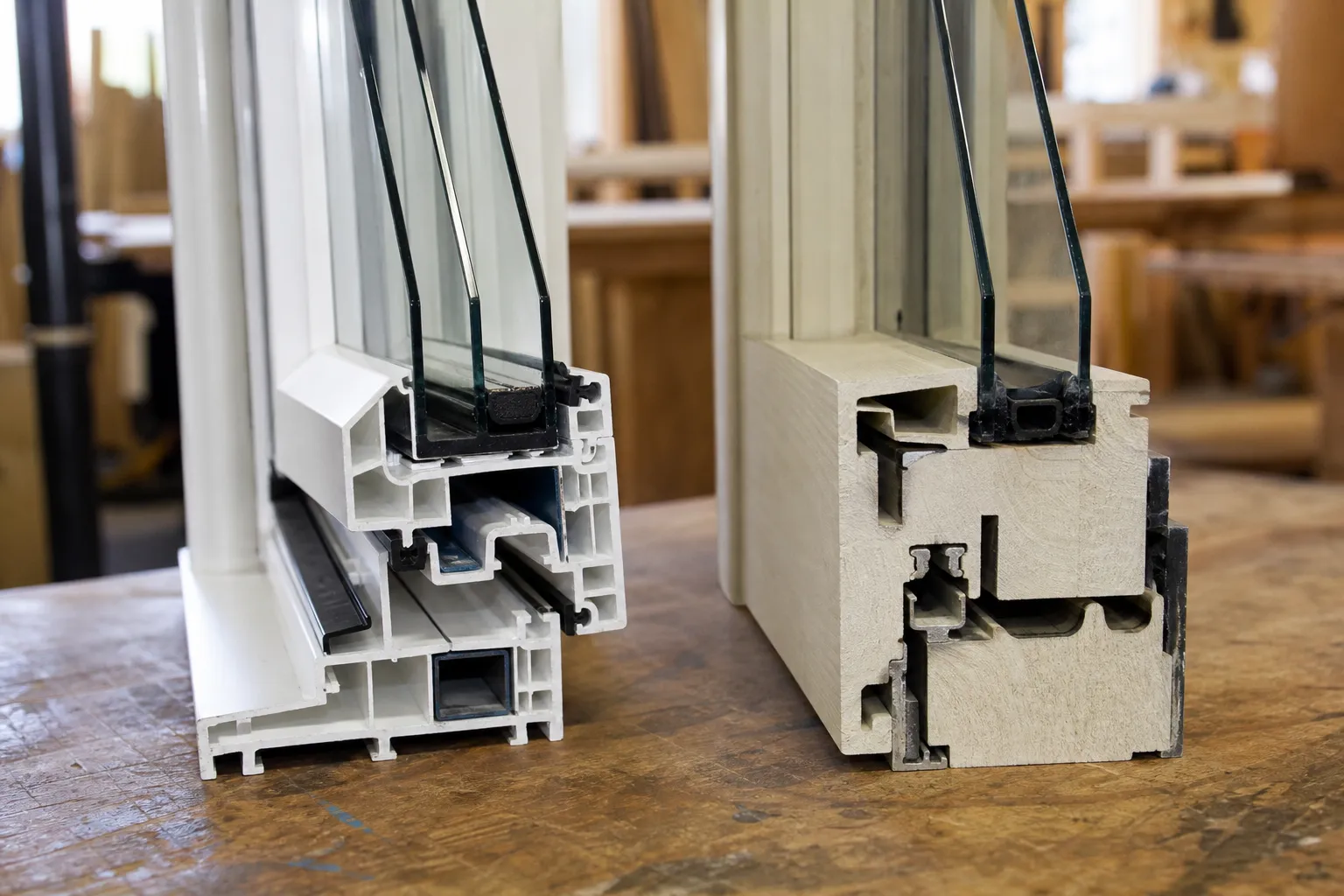
Vinyl and fiberglass are the two materials most homeowners actually choose between, and the price gap is real: $450 – $750 installed for a mid-grade vinyl double-hung versus $700 – $1,300 for fiberglass in 2026. That’s a 40–60% premium for fiberglass. The question is whether the premium buys anything you’ll notice — and over a 10-year window it mostly buys durability, not energy savings.
Here’s the honest version of the comparison.
The core material difference
Vinyl (PVC) frames are extruded hollow profiles, sometimes foam-filled. Fiberglass frames are pultruded glass fibers in resin — essentially the same base material as the glass they hold. That matters for one under-appreciated reason: thermal expansion.
- Vinyl expands and contracts roughly 7x more than glass with temperature swings. Over years of cycling, that stresses the seal between frame and insulated glass unit.
- Fiberglass expands at nearly the same rate as glass, so seals live an easier life. Seal failure — the fogging between panes that ruins a window — is the most common way modern windows die.
This is why fiberglass units carry realistic lifespans of 40–50 years versus 20–30 for vinyl, and why the gap widens in climates with big temperature swings (upper Midwest, mountain West, Texas summers-to-freezes).
Head-to-head
| Factor | Vinyl | Fiberglass |
|---|---|---|
| Installed cost per window (2026) | $450 – $750 | $700 – $1,300 |
| Expected lifespan | 20 – 30 years | 40 – 50 years |
| Energy performance (U-factor, comparable glass) | Good (0.27 – 0.32) | Good, marginally better (0.25 – 0.30) |
| Frame strength | Adequate; bulkier profiles needed | High; slimmer frames, more glass area |
| Paintable | No (and dark colors can warp in sun) | Yes, including dark factory finishes |
| Large window sizes | Limited by frame rigidity | Handles large/tall units well |
| Maintenance | None | None (repaint only if you choose to) |
| Typical warranty | ”Lifetime” limited, often prorated | 20-year to lifetime, fewer proration games |
Note what’s not a big differentiator: energy efficiency. With identical glass packages, the frame material changes whole-window U-factor by only a few hundredths. If a salesperson claims fiberglass will slash your energy bill compared to vinyl, that’s not what the numbers say — the glass package (low-E coatings, gas fill, spacers) does the heavy lifting, as we explain in our energy-efficient windows guide.
10-year cost of ownership: 10-window house
Assumptions: 10 windows, mid-grade quotes at 2026 pricing ($600/window vinyl, $1,000/window fiberglass), identical low-E double-pane glass, average energy performance difference of ~$30/year house-wide in fiberglass’s favor, and industry-typical failure rates (seal failure or hardware issues requiring service on roughly 10–15% of vinyl units and ~5% of fiberglass units within 10 years, at ~$250 average per service if outside warranty coverage).
| Cost component (10 years) | Vinyl | Fiberglass |
|---|---|---|
| Installed cost | $6,000 | $10,000 |
| Energy costs (difference vs. baseline) | +$300 | $0 |
| Expected out-of-warranty service | ~$300 | ~$100 |
| 10-year total | ~$6,600 | ~$10,100 |
| Remaining useful life at year 10 | ~10 – 20 years | ~30 – 40 years |
Read that table honestly: over 10 years, vinyl wins on cash by about $3,500. Fiberglass doesn’t catch up until you value the years beyond the 10-year horizon — which you should if you’re staying put. At year 25, the vinyl house is likely shopping for windows again (another $6,000+ in today’s dollars, more with inflation) while the fiberglass house isn’t. On a 25–30 year horizon, fiberglass is the cheaper window. On a 5–10 year horizon, it almost never is.
Which should you buy?
Choose vinyl if:
- You plan to sell within ~10 years — buyers don’t pay a measurable premium for fiberglass frames.
- Budget constraints mean fiberglass would force you to cheap out on the glass package. Good glass in a vinyl frame beats basic glass in fiberglass every time.
- Your climate is mild (coastal Pacific Northwest, much of coastal California), where thermal-cycling stress is low and vinyl lifespans stretch.
Choose fiberglass if:
- This is your long-term home and you want to buy windows once.
- You want dark exterior colors — dark vinyl absorbs heat and can distort in full sun; fiberglass doesn’t.
- You have large or tall openings where vinyl profiles get chunky and flexy.
- You’re in a high-swing climate (Minnesota winters, Texas summers) where seal longevity matters most.
A third option worth pricing: composite frames ($800 – $1,500 installed) split the difference and are often quoted alongside these two. And in coastal Florida, the impact-rating requirement reshuffles this whole comparison — vinyl impact frames get thick, and aluminum re-enters the conversation.
Whichever you choose, the installer matters more than the frame material. A fiberglass window installed out of square with sloppy flashing will underperform a well-installed vinyl unit for its whole life. Vet the crew, not just the brochure — our contractor selection guide covers how.
FAQs
Is fiberglass really worth 50% more than vinyl? Only on a long horizon. If you’ll own the home 15+ years, fiberglass’s longer life makes it the cheaper window per year of service. Selling within 10? Buy quality vinyl and spend the difference on better glass or more windows.
Do fiberglass windows insulate better than vinyl? Marginally — a few hundredths of U-factor with the same glass. The glass package determines efficiency; frame material determines durability. Don’t pay a fiberglass premium expecting lower bills.
What brands make fiberglass windows? The established fiberglass lines come from Marvin (Essential/Elevate), Pella (Impervia), Milgard (Ultra), and Andersen’s Fibrex composite is frequently cross-shopped. We don’t take manufacturer advertising; compare NFRC-certified numbers and installed quotes rather than brand claims.
How can I tell if a vinyl window is good quality? Look for welded (not screwed) corners, multi-chambered profiles, metal reinforcement in meeting rails on larger units, and a warranty that isn’t heavily prorated. Sub-$450 installed quotes usually mean builder-grade extrusions.
Can vinyl or fiberglass windows be repaired? Hardware (locks, balances) is repairable on both. Failed glass units can be replaced within the frame on both. Warped or UV-degraded vinyl frames cannot be repaired — that’s a replacement, which is exactly the failure mode fiberglass avoids.